

Selling to startups is a bad idea.
I’ve been circling this thought for a while. A call this morning made it clear.
I was on with a founder in sales tech, with high growth potential, building in a blood-red ocean. Wicked smart and moving fast. He said exactly this:
I wish I had a problem my spreadsheet couldn’t handle.
I wasn’t pitching to him, but he genuinely wishes he had that problem. He wants more customers, more complexity, more revenue, more reason to spend money on tools. But right now his noggin and his spreadsheet handles it. So he doesn’t need us and he may not need you.
I had the same conversation with a homebuilder in our area. He’ll have 10 to 20 projects running at any time. “I have it all in my head,” he says.
It also happened with a founder I met at a conference who showed me the most carefully maintained spreadsheet I’ve ever seen. It was beautiful — I wish I could show you because you would agree. Even though it’s “just a spreadsheet.” He and his team know they’ve outgrown the beautiful spreadsheet. But they’re not done with it yet.
The trap I’ve fallen into is thinking the spreadsheet is the problem to solve. It isn’t.
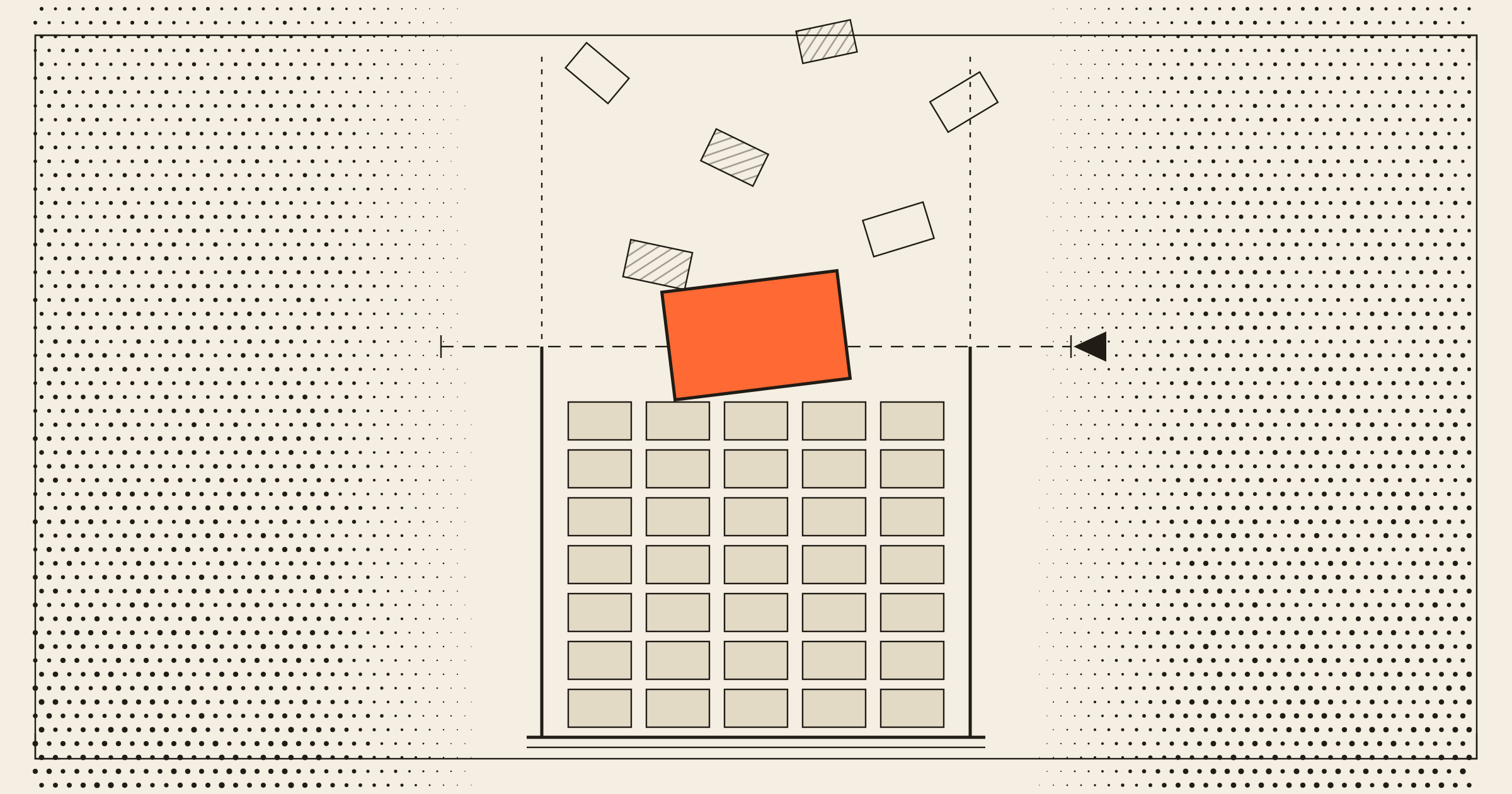
The spreadsheet is a signal telling you the company is too small to buy from you. You can do a great demo. You can show them everything. If they’re still operating comfortably at that scale, they’re right to stay where they are. Spreadsheets are light and don’t cost much to maintain.
When a team moves off a spreadsheet they’re comfortable with, they may have to spend more time wrangling a new tool than facing the market. So they stay put.
The software founders and the homebuilder are absolutely right to run their businesses this way. As tools and tool counts grow, the surface area you need to manage at that stage changes from market surface area to software surface area.
The more time we spend facing the market — and the less time we spend managing our tools — the better.
When selling to smaller companies, there is a crossing point when they graduate from spreadsheet to tools like yours. But you have to know what to look for.
When we’ve seen it happen — when someone actually makes the move — it usually comes down to prioritization. The book of business has outgrown the staff. There are more accounts than one person can hold in their head, more decisions than gut feel can handle. Someone says: I only have so many hours in a day, and I need to spend them on the right accounts, the right activities, the things that keep as much revenue as possible.
That’s the signal. Not “I have a spreadsheet.” Not “I’m not sure about the ROI.” The signal is: I can’t prioritize my work anymore. Or something like that — you’ll know what that moment is for your customers.
There is a leap of faith customers have to take when moving off the spreadsheet. They know the spreadsheet is working well enough right now because their business is healthy.
And changing things up creates this fear of making the wrong choice and maybe going backwards. That fear almost always outweighs the potential to grow. It’s hard to argue someone out of that. You can only be ready when their own scale forces them to make a decision.
Interestingly, AI is holding this off longer than it used to. AI + Spreadsheets can do a lot right now at the early stage. But AI is probabilistic and it often doesn’t give you the same output every time. When you can catch the inconsistencies yourself, that’s fine. When you need consistent, repeatable action at scale, you need something deterministic like software. That reckoning is coming, just not today for most customers.
So what do you do with the spreadsheeters?
We have a Keep Warm column in the CRM. We watch for growth signals like funding, new hires, product launches, leadership changes, etc. We reach out when something changes. After all, the relationship is worth keeping and these signals can be automated. You can even put them in a spreadsheet ha.
Bottom line: if the companies you’re selling to are comfortable in a spreadsheet, you’re selling to the wrong people. I’ve learned this more times than I care to admit.
Think about what signs and signals tell you when your customers are too big for a spreadsheet. Find that point and you can go in and start selling to them.
TTFN,
Peter
PS: Happy Birthday Weekend, America 🇺🇸 and Go the Socceroos 🇦🇺!